Whether you have a small aged-care facility or a large hospital, you have probably heard about patient-centered care.
The patient-centered care model is making many healthcare facilities in the world shift their business model and focus their care more around the needs, preferences and outcomes relevant to patients and their families.
Although the concept has been around for a while, there is still some confusion about what the model actually is. In broad-terms, patient-centered care is based on the principle of a person’s individual needs and preferences being the central consideration during their care. This involves providing respect, emotional support, physical comfort; information that motivates and prepares patients across all the stages of their condition, continuity care coordination, as well as involving family and carers.
But why bother with patient-centered care?
There are number of studies that provide evidence that the patient-centered model is more effective. A study conducted by Stone for example, compared the performance of two similar hospitals over five years. The first hospital was using an extensive patient-centered program and the other one was not. The study demonstrates that in the hospital where patient-centered care was implemented, patients experienced a shorter average length of stay, a significantly lower cost per case, and higher than average overall patient satisfaction scores.
Additionally, in recent times, the effectiveness of the model has been recognized by governments around the world. Countries like the US and the UK, for example, had recently implemented patient survey programs to collect patient’s feedback at a national level.
The US in particular, has given the patient care model greater attention by financially penalizing or rewarding hospitals according to their patient satisfaction scores and by releasing data from the HCAHPS survey to the public.
Based on that, we can conclude that as patients become more informed by researching hospitals, their selection of a hospital is more likely to be impacted by patient experience survey results.
So how can you shift your current business model to patient centered care?
To thrive in patient-centered care, your facility needs to invest in six major areas. This will allow you to apply the model in a holistic way and reach the desired outcomes.
Communication Strategy
The first step your facility should look into is a communication strategy. Communication is critical for a patient-centered model to function and it needs to be taught and honed throughout the entire facility.
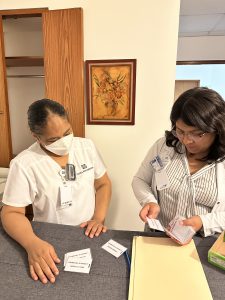
By communicating and educating staff about the care concept and helping them introduce it into their daily routines, your staff will transform their role from being characterized as an authority to one that has the goals of partnership, solidarity and empathy to patients.
Here are some initiatives your facility could use to develop communication:
- Develop and use verbal communication guidelines for staff,
- Scripting tools and cues for effectively communicating with patients
- Communication boards with information such as staff member names and the date and time scheduled for specific procedures.
Patient and Family involvement
Patients and families involvement are also essential for the patient-centered care model and deserve greater attention. It is important that facilities provide support and information to patients and their families and encourage them to take ownership of their own health.
Examples include, providing information during the point of care delivery, giving them access to medical records and patient progress notes; and running educational programs where patients can understand more about their condition and participate in the process of healthcare planning.
Supportive work environment
The quality of care and how supportive a work environment is considered are directly linked. It may seem to be so obvious to not warrant mentioning, but it is true that when staff feel cared for, and enjoy their work environment, they provide better care to patients. That’s why facilities that want to build a patient care environment need to invest in initiatives that try to improve staff satisfaction and provide training, evaluation, compensation and support to their employees.
Measurements and Feedback
It is important that facilities systematically measure and monitor the feedback from patients and families. This can be done through patient experience surveys and by measuring rates of complaint. It is also mandatory that facilities monitor the impact of their strategy changes so they can understand what works and what does not.
Quality of the built environment
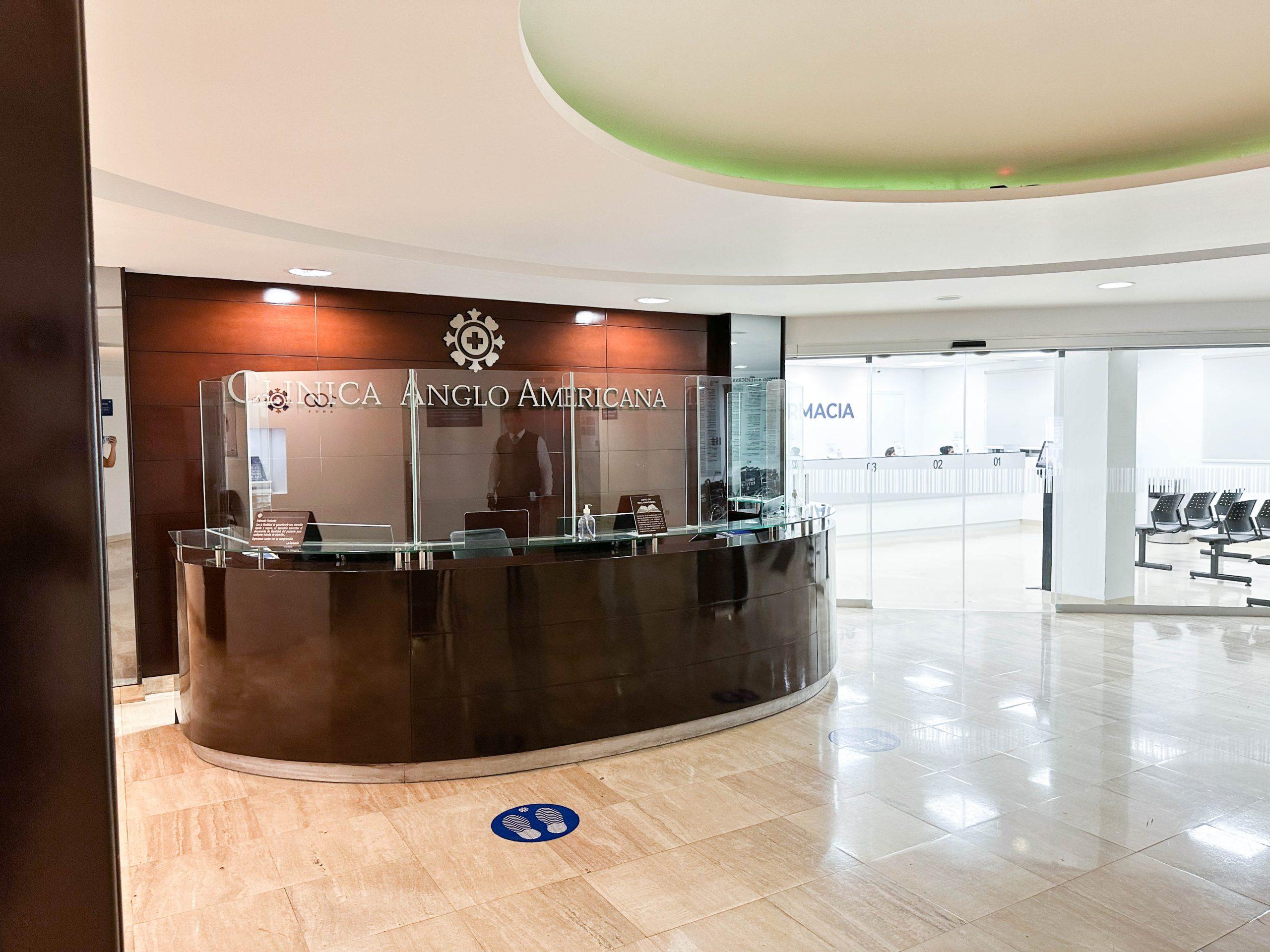
Another important factor you should consider is the quality of the built environment. Studies show that a facility’s design can influence many aspects of care, including improved interaction, better information flows between carers and patients, and increased staff efficiency to list a few.
Technology
Interaction between patient and health staff is key for patient-centered care. In order for the model to work, facilities need to meet patient’s needs and preferences at the right time, in the right setting, for the right reason, and at the right cost.
Technology can be a facility’s greatest ally to improve information exchange. Studies from Finkelstein (2012) concluded that by selecting technologies that help facilities to gather, store, share and use information, facilities can be more efficient, more effective and more focused on meeting the needs of patients.
So what do Nurse Call Systems have to do with Patient-Centered Care?
Suppliers of Hospital technology including manufacturers of nurse call systems are raising the bar and placing more emphasis on providing patient-centered care solutions. There are questions in the American patient satisfaction (HCAHPS) scores that directly relate to the effectiveness of the Nurse Call System. The reason for this is that with the right communication tools, hospitals can drastically improve their communication with patients resulting in higher HCAHPS scores.
Below are a few examples on how Austco Nurse Call Systems can improve the patient experience in your facility:
Nurse/Doctor Communication – Improve Response Times
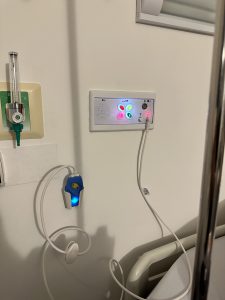
Austco Nurse Call Systems allow nurses and doctors to be called directly on pagers, wireless devices or at the nurse’s station. By enabling direct voice communication between the patient and staff, Nurse Call Systems virtually eliminate unwanted noise. This all adds up to a quieter and more healing environment.
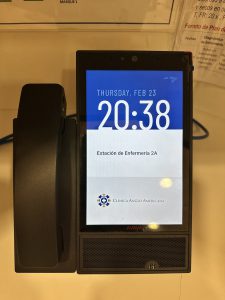
In addition to that, the numerous alerting options including phones, pagers, workstations and consoles available in Austco Nurse Call Systems ensure that the right staff receive the alert almost immediately. In case the staff member is busy or with another patient, our advanced call configuration will send the message to backup staff.
Finally, our systems provide reporting capabilities that allow management to analyze call response times through either calls of staff members so they will know exactly how long patients are waiting and can adjust processes if needed.
Quieter Environment
Direct messaging to staff has practically eliminated unwanted noise. Implementing a quiet, healing environment has proven to result in happier patients and faster recoveries.
Hourly Rounding
If a hospital is scoring high for fast response to call requests, patient/caregivers communication and in other areas, you can be sure that they are doing their rounds hourly. Automatic rounding reminders are activated with the push of a button on Austco touch duty Station. Having a standard rounding schedule can help staff meet patient needs before a lapse is detected.
Pain Management
A few things are more related to patient satisfaction than relieving pain, but pain management is about more than stopping pain. It is also about building a foundation of trust between patients and caregivers, which ties in to quality of care level of patient satisfaction, and higher patient experience survey scores. Using Austco staff terminal to schedule regular pain assessments, patients can better help manage a patient’s pain.
Austco pillow speakers are also equipped with pain management button that allow patients to contact the correct caregiver to provide pain relief.
Workflows
Austco system also allows hospitals to have access to a tremendous amount of real, actionable data, providing their organization with the tools they need to systematically examine workflows, alerts and escalations that happen once a call is placed from a patient’s room.
Conclusion
Patient-centered care is a model in which providers need to consider the individual preferences, needs and values of patients in clinical decisions and procedures. Studies proves that facilities adopting the model, experience great improvements in quality of care, safety, staff and patient satisfaction as well as decrease their costs.
Knowing that technology plays a key role in patient centered care, technology manufacturers are working hard to create patient-centered care solutions. Nurse Call Systems are one example of technology that has proved to be an important tool for improved patient satisfaction, especially due to the system ability to exchange information and improve areas such as nurse/doctor communication response, healing environment; hourly rounding and pain management.
References
http://www.safetyandquality.gov.au/wp-content/uploads/2012/01/PCCC-DiscussPaper.pdf
http://www.ache.org/PUBS/JHM/57-5/57-5_Cliff_PCC.pdf
http://www.thepermanentejournal.org/issues/2012/summer/4809-patient-centered-care.html
All News and Events